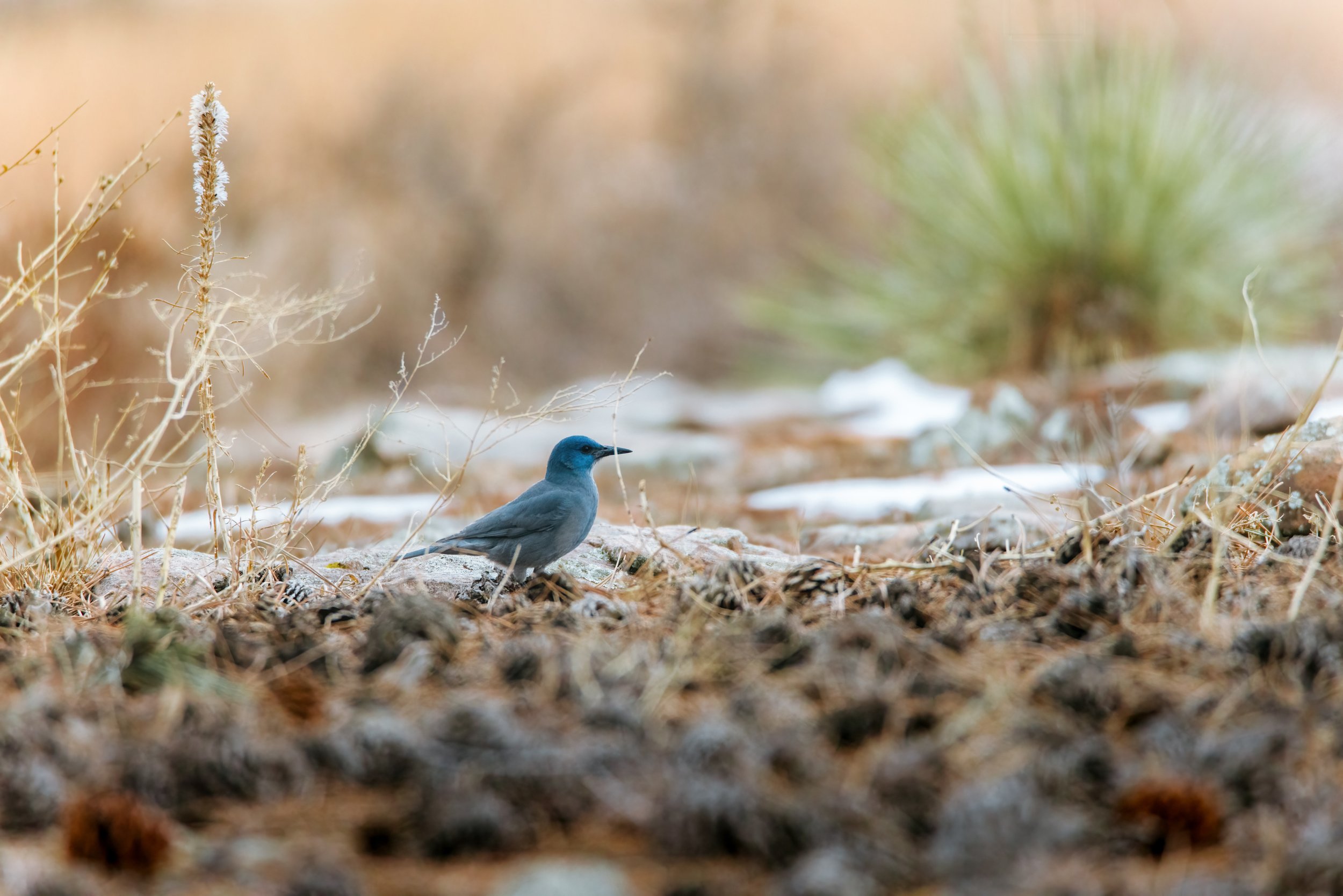
Thank you for engaging with Boulder County land managers!
Your speaking up about pesticide use on Boulder County’s Open Space and the Integrated Weed Management Plan that governs pesticide (specifically herbicide) use on our public lands & waterways has led to the first policy update in over 20 years—finalized in November 2024—which included the banning of aerial spraying from planes, and the removal of 2-4,D, Dicamba, Glyphosate and other chemicals from County weed managers’ “toolkit.”
Work to reduce pesticide use on County land is ongoing, and we welcome your voice and participation!
Thank you to these wonderful community organizations that care for the land!
These local organizations first came together in 2023 to encourage Boulder County residents to speak out to protect our public lands and are united in our efforts to reduce or eliminate pesticide use in order to regenerate and protect the land, water, and ecosystems of which we are all a part.














Recent Articles
Go To All Resources ➞


TAKE ACTION
The 2024 policy is in place, but you can monitor herbicide applications, prepare comments for what you think should change at the next review, and email your Commissioners anytime.
1.
Get informed about pesticide use in Boulder County.
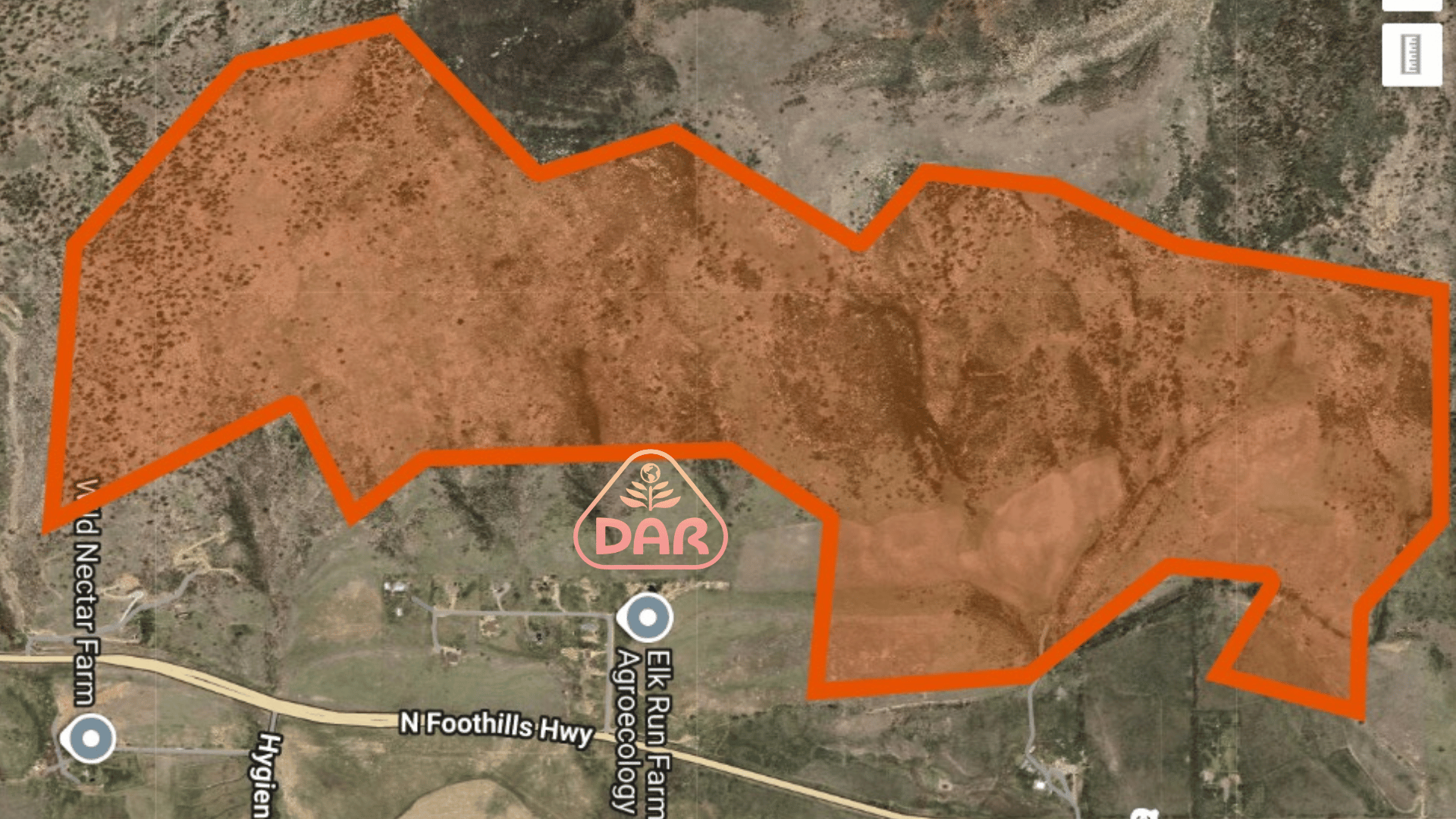
Pesticide use is widespread on our public lands. Thanks to the 2024 Integrated Weed Management Policy review process, the County now publicly shares its herbicide applications online, and you can track mosquito spray operations online as well:
2.
Engage in pesticide use reduction advocacy at the State level.
3.

Suggested Talking Points
Even though this policy review process has concluded, you can write to your Commissioners at any time about pesticide use on public lands. Here are some talking points, but you’re encouraged to do your own research and use your own voice.
➜ Thank Boulder County for eliminating Dicamba, 2,4-D, Glyphosate and 3 other herbicides from their “toolkit”, but emphasize that you remain opposed to Indaziflam, and other pesticides currently use on public land. Remember that state law does not mandate the use of pesticides for ANY weed, it does mandate varying levels of management, which does not have to include toxic chemicals.
➜ Thank Boulder County for removing aerial spraying from planes from their revised draft plan—due to public outcry over drift concerns—and emphasize that for the same reasons, aerial spraying from drones should not be allowed either. Hand spraying involves the lowest level of drift risk when chemicals are applied.
➜ Ask for a moratorium on all pesticide use until BCPOS establishes a more science-based, inclusive public process that fully incorporates perspectives from ecologists and other scientists, local nonprofits, community leaders, and staff — much like the County has created through the Fireshed Working Group.
➜ Ask for a moratorium on pesticide use for List B and List C noxious weeds, as well as weeds that are not on Lists A, B, or C. Currently, the County is spraying herbicide to attempt to control more than 65 species on lists, B, C, or watchlist.
➜ Ask for a pilot program, using weed management money, for targeted grazing of weeds using regenerative practices. It’s time for the County to invest in regenerative land managers to manage weeds through targeted, strategically timed grazing and other manual control techniques.
➜ Ask Boulder County to implement a more stringent process for approving individual pesticides for use on public lands. As a point of reference, all 31 of the products listed in use by Boulder County failed the City of Boulder’s more rigorous pesticide approval process, with 2 of the 31 being approved for certain conditions and 1 for special use cases only.
➜ Ask for monitoring of spray sites and downstream water bodies for non-target impacts (insects, aquatic organisms, water, soil, and drift). The current 2024 IWM Plan does not list any protocols for studying short or long-term environmental impacts on water or non-target organisms.
➜ Ask Boulder County what, if any, water testing they have done – at spray sites, along impacted ditches, in surface water, in groundwater. Ask the County to pay for Open Space lease-holders and other downstream neighbors to have their water tested for pesticide impacts.
➜ Ask Boulder County to post every pesticide application going back at least five years and not to destroy the historical data, for use in future environmental toxicity studies.
➜ Ask Boulder County to consider and identify root causes of noxious weeds on public lands and address root causes of land degradation through soil and ecological health efforts.
➜ Ask Boulder County to explain how the use of pesticides fits in with their soil health initiatives and whether pesticide applications could ever interfere with soil health efforts being conducted on Open Space lands.
➜ Add your own thoughts about the direction you want to see Boulder County taking the stewardship of your public lands, your concerns about pesticides, and how you would like this process to unfold.